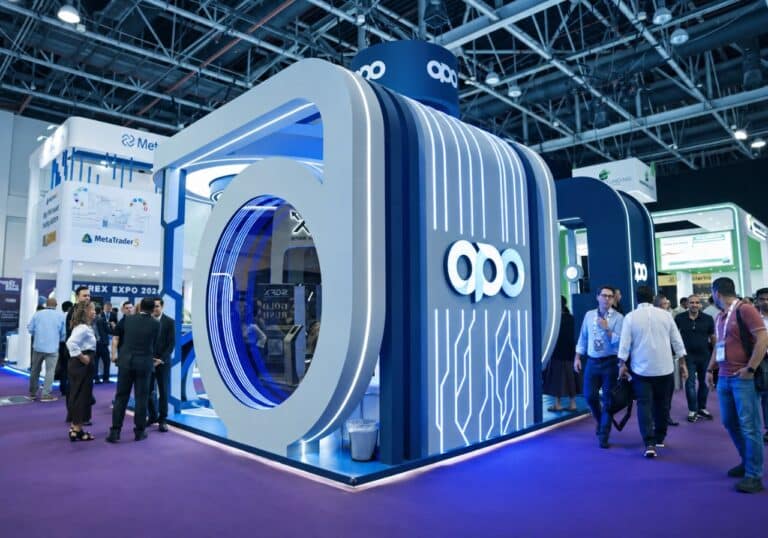




OpoFinance is now OPO
OpoFinance is now OPO. On the surface, one word has gone. Underneath, the direction of the company has changed.

Trading has changed around them. Data is everywhere. Charts, signals and commentary arrive faster than anyone can read them. Yet the most valuable data a trader owns is often the least examined: the record of their own decisions.
Every position you open, every stop you move, every trade you take after a loss leaves a trace. Over months and years, those traces form patterns. Most traders never see them clearly. Not because the information is missing, but because no one has made it easy to read.
The rebrand began with one question:
What should a trading platform become when technology changes the way people learn, analyse and decide?
OPO’s answer is a connected OPO trading platform built around technology, insight and mastery. A platform that does not only give you access to the market, but helps you understand the way you trade in it.
This article explains what changed, why it changed, and what it means for you.
Why OPO dropped “Finance”
Features of the OPO Trading Platform
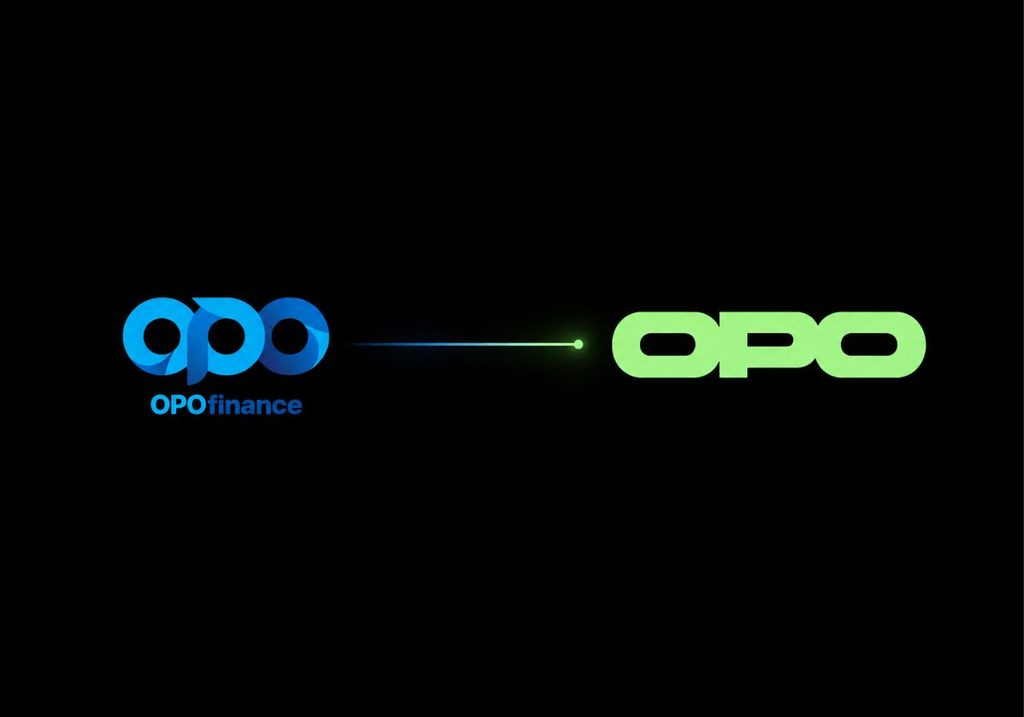
The original name described where the company started. OpoFinance was a financial service, and the name said so plainly.
Over time, the work grew beyond that description. OPO expanded into technology, tools, services and experiences designed around the modern trader. The name had begun to describe a part of the company rather than the whole of it.
There was an obvious alternative: replace “Finance” with another word. Trading. Markets. Technology. Each option would have been accurate for a while. Each would also have placed OPO back inside a single category, and the point of the change was to move beyond one.
So the decision was not to find a better description. It was to remove the description altogether.
OPO is now simply OPO. A name that stands for an ecosystem rather than a service line. A name that can hold execution, analysis, tracking and intelligent tools without needing to be renamed every time the platform grows.
The shorter name also reflects a shift in what OPO believes trading is about. Opening an account and placing a trade is the visible part. The larger part is everything around the decision:
- Understanding the market you are trading.
- Understanding the data in front of you.
- Understanding your own behaviour when you act on it.
A name built around “Finance” pointed at the first. OPO is built for all three.
What traders need now
A decade ago, access was the hard part. Getting onto a reliable platform with fair pricing and a wide range of instruments was a real advantage. Today, access is widely available. Many platforms offer similar markets, similar tools and similar speed.
When access becomes common, it stops being the thing that separates one trader from another. What separates them is the quality of their decisions.
That is harder to improve than it sounds. Most traders learn by doing, and doing produces a great deal of experience but very little reflection. You remember the trade that went badly. You rarely remember the ten small choices that led to it.
There is also a gap between how traders think they trade and how they actually trade. You may believe you are patient, and find that your average holding time shrinks after every loss. You may believe you follow your plan, and find that your position size drifts upwards on volatile days.
None of this is a failing of character. It is how people behave under pressure, uncertainty and speed. The market moves fast. Impulses move faster.
What traders need now is a way to close that gap. Not more signals or more noise, but a clear view of their own behaviour, drawn from their own history. Something that shows the pattern before the pattern becomes a habit.
That need shaped the new OPO.
From accessing markets to understanding decisions
Many trading platforms are built mainly around execution. They are designed to help you get in and out of a position quickly and reliably. That is essential, but it is only one moment in a much longer process.
Every trade creates information. Your history is a detailed record of how you behave in the market, and it holds patterns such as:
- How you react after a loss.
- Which market conditions produce your strongest decisions.
- When you increase your risk, and what tends to happen next.
- Which behaviours repeat over time, whether you intend them or not.
The challenge is rarely a shortage of information. Most traders already have more data than they use. The challenge is seeing what that information means.
A trade history in its raw form is a long list of entries, exits, sizes and results. Reading meaning into it takes time, discipline and a willingness to look at uncomfortable facts. Few people do it consistently.
OPO was built around this idea: to help you move from simply participating in the market to understanding the way you trade in it.
In practice, that means turning behaviour into observations you can act on. Statements that describe what happened, without judgement or exaggeration:
- “You’ve increased position size three times this week.”
- “Your trading pace is above average today.”
Observations like these do not tell you what to feel. They show you what you did. What you do next is your decision, made with a clearer view than before.
Building a connected trading experience
Modern traders rarely rely on one tool. A typical setup might include one platform for execution, another for charting and analysis, a spreadsheet or journal for tracking performance, and a handful of apps for news and alerts.
Each tool may work well on its own. Together, they create a fragmented experience. Your decisions happen in one place, your analysis in another, and your review, if it happens at all, somewhere else again.
Fragmentation has a cost. Context gets lost between tools. Reviewing a trade means rebuilding the moment it was made from pieces scattered across screens. And the more effort reflection takes, the less often it happens.
OPO’s new direction is to bring these elements into one connected environment. The goal is to combine:
- Trading execution, so you can act on your decisions.
- Data analysis, so you can understand the market and your place in it.
- Performance tracking, so you can see results over time, not trade by trade.
- Intelligent tools, so you can ask better questions of your own history.
These are not separate products placed side by side. They are parts of one modular system designed around the trader. What you do in one part informs what you see in another.
When execution and reflection live in the same place, learning stops being a separate task. It becomes part of how you trade.
MCP: connecting your trading data with AI
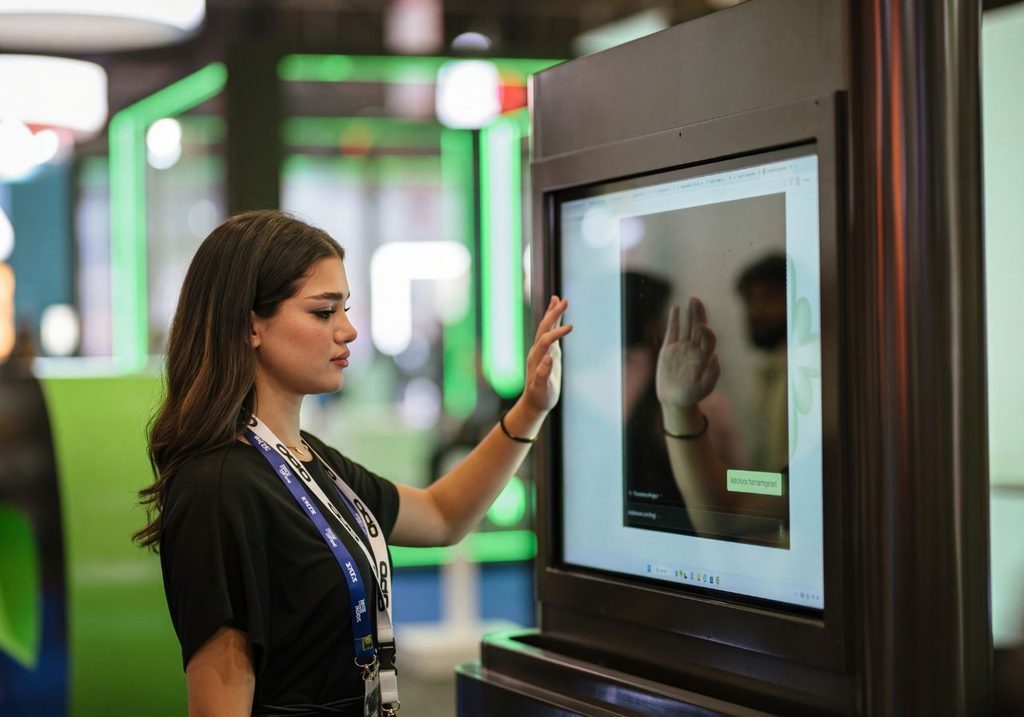
A central part of OPO’s new direction is MCP integration.
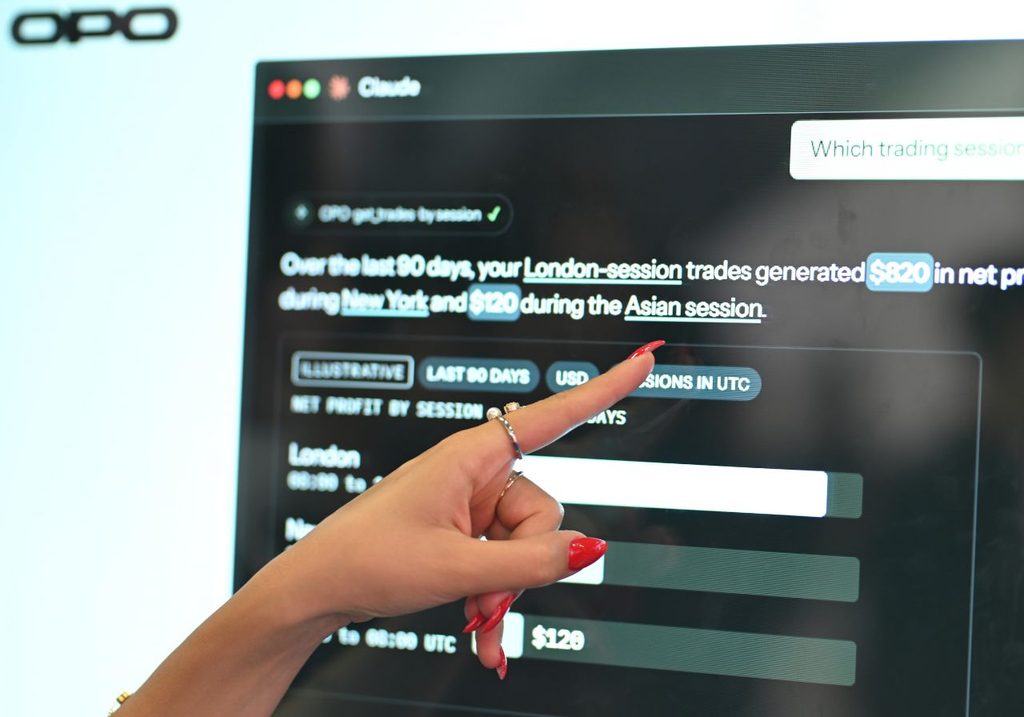
MCP stands for Model Context Protocol. It is an open standard that lets AI assistants connect securely to external data sources. Through MCP, you can connect your OPO account to AI assistants such as ChatGPT and Claude.
This changes how you interact with your own trading history. Instead of scrolling through past trades or exporting them into a spreadsheet, you can ask questions in plain language and get answers drawn from your own data.
Questions like:
- “What patterns appear in my losing trades?”
- “When do I tend to overtrade?”
- “Which decisions led to my strongest results?”
- “How does my behaviour change after a run of losses?”
- “Which instruments do I trade best, and which do I trade most?”
The last question matters more than it seems. Many traders spend most of their time in the markets they enjoy, not the markets where they perform. Seeing the difference is often the first step towards selectivity.
The value of MCP is not that it gives you new information. The information was always in your history. MCP makes it accessible. It removes the effort that stops most traders from reviewing their own behaviour, and replaces it with a conversation.
You can follow a question with another. You can ask why a pattern appears, whether it holds across different months, or how it compares with your best period. Reflection becomes something you can do in minutes, not something you postpone to the weekend.
What MCP does, and what it does not
Whenever AI and money appear in the same sentence, the first question is reasonable: what can it actually do with my account?
The answer is deliberately limited. OPO’s MCP integration is built for analysis and reflection, not action.
| MCP does | MCP does not |
|---|---|
| Read and analyse your trading history | Trade on your behalf |
| Answer questions about your decisions and behaviour | Open or close positions |
| Surface patterns across your past activity | Access, move or withdraw funds |
| Help you reflect before your next decision | Make decisions for you |
This boundary is intentional. It reflects what OPO believes AI should do for a trader.
Automated trading and signal services already exist, and they share a common premise: that the decision can be handed to something else. OPO takes the opposite view. The decision remains yours. The aim is to make you better at making it.
An AI assistant connected through MCP works more like a thoughtful analyst than an autopilot. It can read your record, point out what repeats and answer your questions honestly. What you do with that understanding is up to you.
That keeps responsibility where it belongs, and it keeps the focus where OPO believes progress happens: in the trader, not the tool.
Why patterns matter
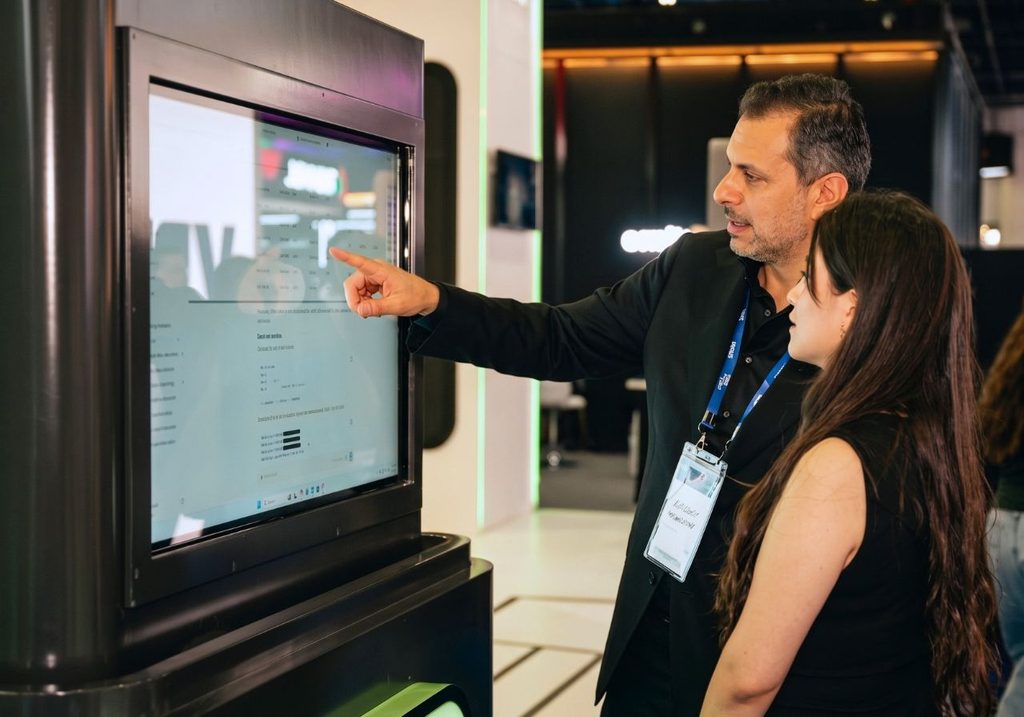
The market moves fast. Decisions often move faster.
In the moment of a trade, you are dealing with price, time and uncertainty at once. Under those conditions, instinct takes over easily. A gut reaction to a sharp move. A rush of confidence after a winning streak. The urge to win back a loss before the day ends.
The moment you act on impulse, trading stops being about the market. It becomes about you.
One impulsive trade is rarely the problem. The problem is the impulse that repeats. The revenge trade after every loss. The oversized position every Friday. The early exit on every winner. Individually, each looks like a single decision. Together, they form a pattern that shapes your results more than any one trade could.
Patterns are also where the good news is. Your strongest results have patterns too. Perhaps your best returns come from fewer, more selective trades. Perhaps one market accounts for most of your profit. Perhaps your highest-conviction trades, the ones backed by real analysis, perform far better than the rest.
You cannot change a pattern you cannot see. And you cannot repeat a strength you have not recognised.
This is why OPO’s philosophy comes down to four words:
Think patterns, not instinct.
It is not a call to trade more. OPO is not interested in increasing activity for its own sake. The aim is better understanding, and better understanding usually leads to fewer, more considered decisions.
Reflect first. Gain second.
The idea behind the new identity
The new OPO identity is built around one idea: mastery.
Mastery is often misunderstood. It is not about being perfect, and it is not about never losing. Every trader loses. Mastery is about becoming better than your last decision, again and again, over a long period of time.
The greatest traders are not masters of the market. No one is. They are masters of themselves. They know their tendencies, their strengths and the conditions that bring out their worst habits. That self-knowledge is what allows them to stay disciplined when the market does not.
OPO describes the change it wants to support as a move from playing the market to mastering the trade. Playing the market is reactive, short-term and driven by the thrill of the moment. Mastering the trade is disciplined, long-term and driven by performance.
That is why the brand is built for committed traders. People who see trading as a discipline, not a shortcut. People who care about growth as much as gains, and who are willing to look honestly at their own record to find it.
If you trade for excitement alone, OPO may feel different from what you are used to. If you trade to improve, it is built for you.
OPO’s commitments follow from this:
- We win together. Built by traders, for traders. Every part of the platform is designed around what traders actually need.
- We focus on performance. Lasting results come from decisions, patterns and behaviours, not luck.
- We never stand still. The market keeps moving, so OPO keeps learning and refining.
How OPO looks and speaks
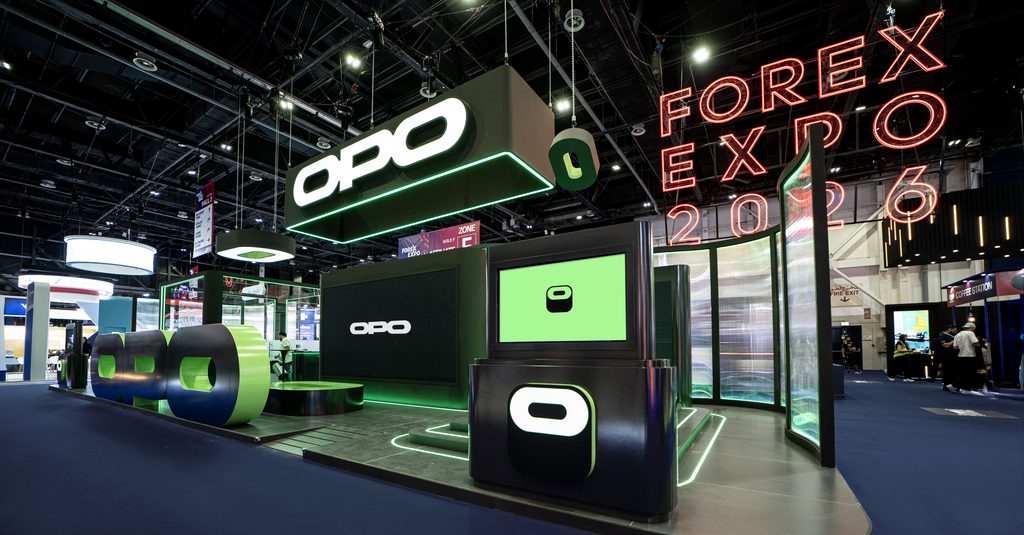
A new identity is more than a logo. It is the way a brand shows up in every screen, message and notification. OPO’s new visual and verbal identity reflects the mindset it is built for:
- Confident, but controlled.
- Intelligent, but accessible.
- Premium, but not distant.
The voice behind it is that of an experienced maker: someone who has spent years at the craft and does not need to raise their voice to be heard. Every word is considered and backed by truth. Nothing exaggerated, nothing vague, nothing over-exclaimed.
You will notice this in how OPO talks to you. It speaks one-to-one, about your decisions and your behaviour, rather than addressing a crowd. It names the forces that hold traders back, such as impulse, noise and the pull of luck, and it champions a more reasoned way to trade.
You will also notice what OPO avoids. No promises of fast profits. No hype, no trend-chasing, no motivational slogans that could belong to a gym or a self-help book. Language that belongs to trading, and to nothing else.
Inside the platform, the voice becomes simpler still. When OPO reflects your behaviour, it states only what can be observed:
- “Catch yourself in the act. You’ve increased your position size in each of your last three trades.”
- “A common theme is occurring. See what’s connecting your best trades this month.”
The tone is designed to help you think, not to tell you how to feel. A clear statement, delivered at the right moment, is harder to ignore than a loud one.
What the rebrand means for you
If you already trade with OPO, the foundation you rely on remains. The name and identity change. The direction of the platform grows.
What changes is the focus. Over time, you can expect OPO to put more emphasis on helping you understand your own trading, not only on helping you place trades. That means more tools that connect execution with analysis, more ways to track performance across time, and deeper integration with AI through MCP.
A practical way to start is to treat your trading history as something worth studying. Some questions worth asking of your own record:
- Where do most of my profits actually come from?
- What do I do in the hour after a loss?
- Do I trade more often on days when I perform worse?
- Which of my trades were planned, and which were reactions?
- What does my best month have in common with my worst?
None of these questions has a universal answer. Each one has a specific answer for you, and that answer is already in your history.
If you are new to OPO, the invitation is simple. Treat trading as a discipline. Look at your decisions with the same attention you give the market. Learn the way of your trade.
For traders who learn from others through social trading, the same principle applies. The value is not in copying someone else’s positions. It is in understanding the habits behind their outcomes, then using that understanding to build your own edge.
A new chapter for OPO
The rebrand marks the next stage of OPO’s journey. The experience built over the past five years stays. The direction moves towards a more connected, technology-driven trading experience.
The reasoning behind it is straightforward. Markets will keep getting faster. Data will keep multiplying. Access will keep becoming easier. None of that, on its own, makes anyone a better trader.
What does is understanding: of the market, of the data and, above all, of yourself. The decisions you make, the patterns they form, and the trader those patterns are turning you into.
The future of trading is not only about accessing markets. It is about understanding decisions.
That is what the new OPO is built to help you do.